Ever wondered what anxiety and stress can do to your body? Stress and your body are closely connected. When your mind perceives a threat, your body reacts instantly, even if the danger isn’t life-threatening. From racing heartbeats to tense muscles, stress sparks a chain of physical and emotional responses designed to keep you safe. But when stress becomes constant, those same biological systems can start working against you. Understanding the science behind stress and your body is the first step to taking back control.
The Science of Stress: Your Body’s Emergency Mode
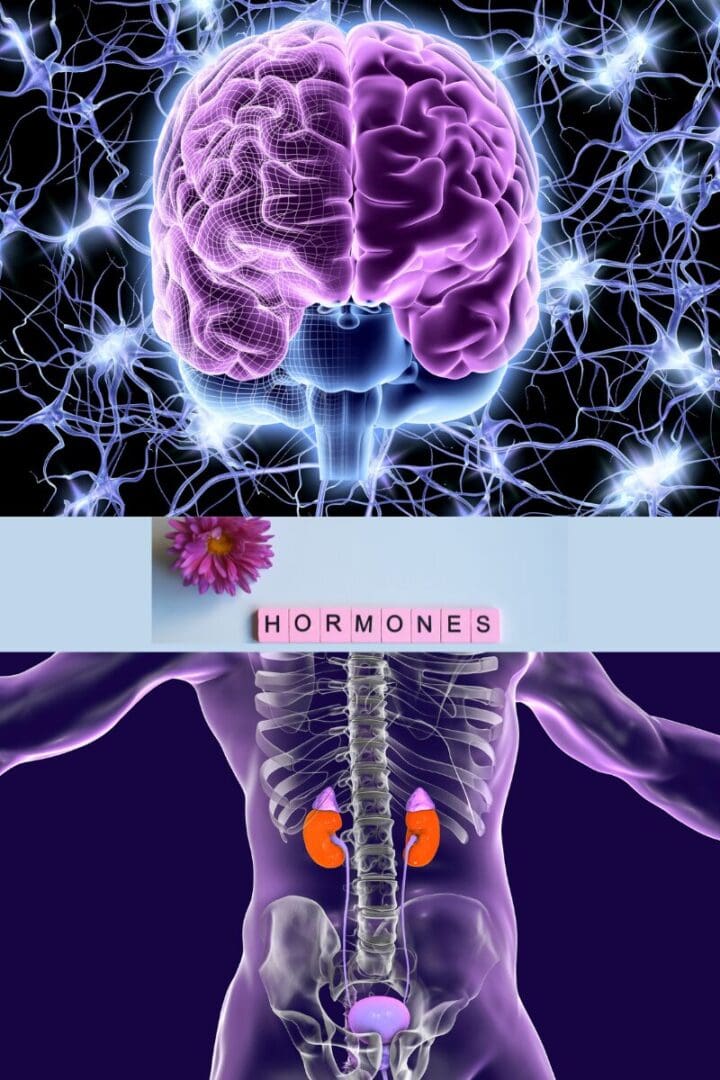
In moments of stress, your brain and body launch into “fight-or-flight” mode — a protective system designed to keep you safe. According to Harvard Health, this process starts in the amygdala, which signals the hypothalamus to activate your autonomic nervous system.
As a result, your adrenal glands release adrenaline and cortisol, two hormones that help you respond quickly. Your heart races, your breathing quickens, and your muscles tighten — all meant to prepare you for action.
Unfortunately, when the threat doesn’t go away, this system stays “on,” flooding your body with stress hormones that can disrupt nearly every organ. This rapid stress response shows the close link between stress and your body’s internal systems, helping explain why chronic tension feels so physical.
The Biology Behind Stress and Your Body
Let’s break down what happens step-by-step:
1. The Brain Takes Charge
When stress begins, the amygdala sounds the alarm, and the hypothalamus activates your sympathetic nervous system. Consequently, your body instantly prepares for action — blood pressure rises, pupils dilate, and your heart beats faster.
2. The Hormones Respond
Soon after, cortisol, often called the “stress hormone”, keeps you alert. However, if cortisol remains high for too long, it can lead to fatigue, irritability, and even immune suppression (Harvard Health).
Elevated cortisol levels show what stress and anxiety can do to your body over time, including fatigue, headaches, and poor concentration.
3. The Domino Effect
Because every system in your body responds to stress, it creates a ripple effect:
- Your digestive system slows down.
- Blood sugar levels spike for quick energy.
- Your immune system shifts into short-term mode.
Although these reactions are normal in brief emergencies, they can become harmful when chronic.
Stress and Your Body: Eustress vs. Distress
Interestingly, not all stress is bad. Eustress, short bursts of positive stress, helps your body perform better, like before an exam or a presentation. These two types show how stress affects your body and brain differently depending on duration and intensity. However, distress is the kind that lingers, drains energy, and harms your health.
As researcher Hans Selye explained in his “general adaptation syndrome,” the body moves through three stages: alarm, resistance, and exhaustion. When you never leave the alarm phase, exhaustion sets in — leading to burnout and physical illness.
Chronic Stress and Your Body: When the Alarm Never Shuts Off
Over time, chronic stress can affect nearly every part of your body.
Brain and Mental Health
Prolonged cortisol exposure can actually shrink the hippocampus, the area responsible for memory and learning. Studies on PubMed have linked chronic stress to brain fog, mood swings, and anxiety.
Cardiovascular System
According to Harvard Health, persistent stress increases heart rate and blood pressure, raising the risk of hypertension, heart attack, or stroke.
Immune System
Initially, stress can boost the immune response. Yet, long-term exposure suppresses immunity, making you more prone to infections.
Digestive System
Stress also disrupts digestion. The Mayo Clinic notes that it can worsen acid reflux, irritable bowel syndrome (IBS), and even appetite changes.
Muscles and Headaches
Chronic tension in the neck and shoulders can lead to frequent headaches, migraines, or jaw pain.
Why We Don’t All Handle Stress the Same
Even though everyone experiences stress, our reactions differ. Genetics, personality, and past trauma all shape how your nervous system responds. Likewise, your support system, diet, and sleep patterns influence how quickly you recover.
Psychologist Kelly McGonigal famously argued that your mindset about stress matters. If you believe your body’s reaction is trying to help you, not harm you, the effects can actually be healthier.
Signs That Stress and Your Body Are Out of Balance
If you’ve noticed these symptoms often, it might be time to slow down:
- Constant fatigue or irritability
- Difficulty sleeping
- Frequent headaches or muscle pain
- Stomach upset or digestive issues
- Forgetfulness or trouble concentrating
- Rapid heartbeat or chest tightness
When several of these persist, your body is signaling that it needs a reset.
How to Reset Stress and Your Body: Science-Backed Tips
Fortunately, there are simple, research-based ways to calm your stress response and activate your parasympathetic nervous system, your body’s “rest and digest” mode. Once you understand what stress and anxiety can do to your body, you can use evidence-based techniques to reverse their effects and restore balance.
1. Breathe Deeply
Slow breathing helps lower cortisol and blood pressure. Even five minutes can make a difference.
2. Move Your Body
Exercise releases endorphins and burns excess stress hormones. Whether it’s walking, dancing, or yoga, movement helps restore balance.
3. Eat to Support Your Brain
Choose whole foods, stay hydrated, and limit caffeine. Nutrients like magnesium and omega-3s support mood stability.
4. Sleep Like It’s Your Job
Rest is when your brain and body repair. Aim for seven to nine hours and set a consistent bedtime.
5. Talk It Out
Therapy helps you identify patterns and learn healthier coping skills. At Anuri Health & Wellness, our licensed providers offer stress management therapy tailored to your needs.
6. Try Mindfulness
Meditation, journaling, or prayer can help shift focus from chaos to calm.
7. Connect With Others
Social connection lowers stress hormones and boosts resilience in your body. Reach out to trusted friends or join a support group.
Frequently Asked Questions
Is all stress bad?
No. Small amounts of stress (eustress) can motivate you. Chronic stress, however, can harm your health.
Can stress change your brain?
Yes. Prolonged stress can affect areas responsible for memory, mood, and focus.
What’s the fastest way to calm stress?
Deep breathing, grounding techniques, or a quick walk can reset your system and your body in minutes.
Does stress cause anxiety?
Chronic stress can increase vulnerability to anxiety disorders.
When should I seek professional help?
If stress is disrupting your work, relationships, or sleep, reach out to a mental health professional.
Final Thoughts

Your body isn’t your enemy; it’s trying to protect you. But when stress becomes your constant companion, understanding the science behind it gives you the power to respond differently.
At Anuri Health & Wellness, we understand how stress and anxiety can affect your body. We will help you turn stress into strength with personalized care and evidence-based therapies.