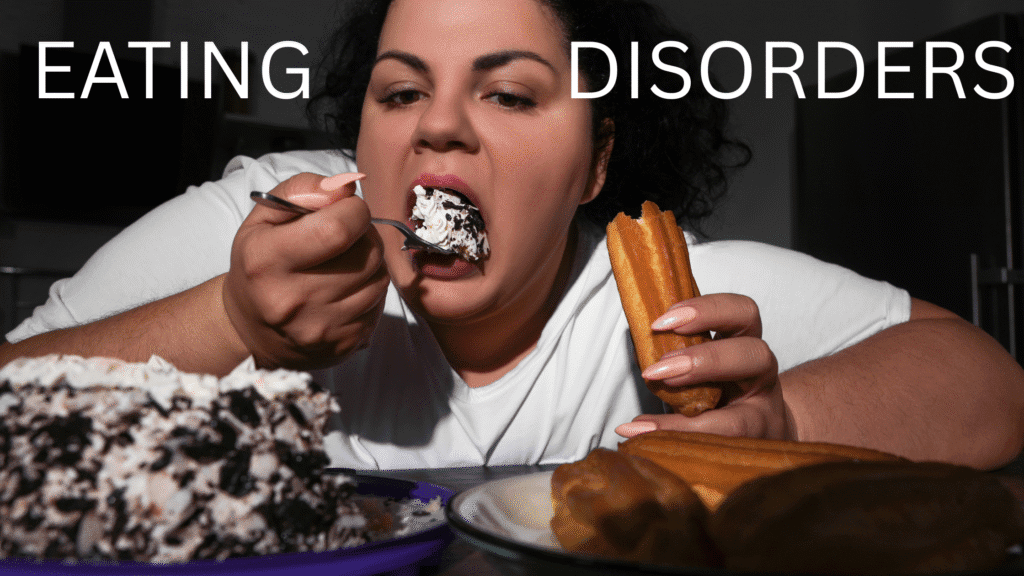
Why Talking About Eating Disorders Matters
Eating disorders affect millions of people worldwide. In the U.S. alone, research suggests that nearly 30 million people will struggle with food-related mental illness at some point in their lives. For a comprehensive overview of eating disorders, including signs and symptoms, visit the National Institute of Mental Health’s guide
⚠️ Trigger Warning: This article discusses eating disorders, disordered eating behaviors, and body image challenges. If you are in crisis or worried about your safety, please dial 988 (U.S. Suicide & Crisis Lifeline) or your local emergency number.
The good news: recovery is possible. With treatment, compassion, and the right support systems, many people go on to live full and healthy lives. Learn more about our therapy services to get started.”
This guide will help you understand what these conditions are, how to recognize them, what causes them, and where to turn for help.
Disordered Eating and what they are.
Eating disorders are mental health conditions marked by unhealthy thoughts and behaviors around food, body image, and self-worth. They can lead to dangerous health complications and interfere with daily life.
Eating disorders are not about vanity or willpower. They are complex illnesses influenced by genetics, brain chemistry, environment, and cultural pressures.
Types of Eating Disorders
Eating disorders come in many forms, from anorexia nervosa to binge-eating disorder. Each type has unique challenges and treatment considerations. For detailed descriptions of each condition see the National Eating Disorders Association (NEDA) resources
Anorexia Nervosa
- Main traits: Extreme food restriction, intense fear of gaining weight, distorted body image.
- Possible consequences: Malnutrition, weakened bones, infertility, heart problems.
- Note: People with anorexia may appear underweight, but not always. Weight alone is not a diagnostic marker.
Bulimia Nervosa
- Main traits: Cycles of binge eating followed by purging (vomiting, laxative misuse, fasting, or excessive exercise).
- Possible consequences: Digestive issues, tooth enamel erosion, electrolyte imbalances, and heart complications.
Binge-Eating Disorder (BED)
- Main traits: Recurrent episodes of eating large amounts of food in a short period, often in secret, followed by shame or distress.
- Possible consequences: Obesity, diabetes, high blood pressure, and emotional distress.
- Note: BED is the most common eating disorder in the U.S.
Other Specified Feeding or Eating Disorder (OSFED)
- Main traits: Symptoms that don’t fit neatly into anorexia, bulimia, or BED but still cause distress and health issues.
- Example: Purging without bingeing, or restrictive eating without being underweight.
Avoidant/Restrictive Food Intake Disorder (ARFID)
- Main traits: Extreme restriction not tied to body image concerns but often related to sensory sensitivities or fear of choking/vomiting.
- Possible consequences: Malnutrition, stunted growth in children, and social difficulties.
These disorders don’t always look the same. Some people may appear outwardly healthy while struggling internally. Warning signs can be physical, behavioral, and emotional:
Physical Signs
- Noticeable weight fluctuations (up or down)
- Dizziness, fainting, fatigue
- Stomach pain, digestive problems
- Changes in skin, hair, or nails
- Menstrual irregularities or loss of periods
Behavioral Signs
- Skipping meals or following strict food rituals
- Avoiding eating with others
- Excessive exercise, even when injured or tired
- Frequent trips to the bathroom after meals
- Secretive eating or hiding food
Emotional / Mental Signs
- Intense fear of gaining weight
- Obsession with calories, dieting, or “healthy” eating
- Feeling out of control around food
- Extreme perfectionism or self-criticism
- Withdrawal from friends, family, or activities
Causes and Risk Factors of Eating Disorders
Eating disorders are multifactorial; no single cause explains them. Instead, several influences interact:
- Biological: Family history or other mental health conditions, genetic vulnerability, neurochemical imbalances.
- Psychological: Low self-esteem, high sensitivity to criticism, trauma history, perfectionism, or anxiety disorders.
- Social and Cultural: Pressure from peers, exposure to unrealistic beauty standards, weight stigma, and social media influence.
- Environmental: Stressful life events (moving, divorce, loss), academic or career pressures, or participation in sports/arts that emphasize appearance (dance, gymnastics, wrestling).
Health Consequences of Eating-related Disorders
Without treatment, eating disorders can be life-threatening. They affect every organ system in the body:
- Cardiovascular: Heart irregularities, low blood pressure, risk of heart failure.
- Digestive: Stomach ulcers, constipation, acid reflux, damage from purging.
- Hormonal: Infertility, loss of menstruation, thyroid irregularities.
- Bone Health: Osteopenia or osteoporosis from long-term malnutrition.
- Neurological: Difficulty concentrating, seizures in severe cases.
- Mental Health: Depression, anxiety, suicidal thoughts, or substance use.
Indications for seeking additional support
It’s time to reach out if:
- Eating behaviors interfere with work, school, or relationships.
- Physical symptoms such as fainting, dehydration, or rapid weight changes appear.
- Emotional distress, shame, or secrecy about food dominate life.
- Suicidal thoughts or self-harming behaviors occur.
The earlier treatment begins, the better the chances of full recovery.
Diagnosis and Levels of Care
A healthcare provider may use medical exams, psychological assessments, and clinical interviews for diagnosis.
Different levels of treatment depending on severity:
- Outpatient: Regular sessions with a therapist and dietitian.
- Intensive Outpatient (IOP) or Partial Hospitalization (PHP): Structured programs offering multiple hours of therapy weekly.
- Inpatient or Residential: 24/7 care for medical stabilization and therapeutic support.
Treatment Options That Work
Treatment is most effective when multidisciplinary:
- Therapy:
- CBT-E (Cognitive Behavioral Therapy for Eating Disorders) helps challenge unhelpful thoughts.
- DBT (Dialectical Behavior Therapy) teaches coping and emotion regulation skills.
- FBT (Family-Based Treatment) empowers families to support recovery, especially for adolescents.
- Nutrition Counseling: Registered dietitians help clients rebuild a healthy relationship with food and restore nutritional balance.
- Medical Care: Doctors monitor heart health, electrolyte balance, and other complications.
- Medication: Antidepressants or anti-anxiety medications may support treatment of co-occurring conditions.
- Medical weight management programs can support physical health during recovery.
Recovery and Relapse Prevention
Recovery from a food-related mental health condition is possible but often non-linear. Relapses may happen, but they do not erase progress.
Practical Tips for Recovery
- Create structured meal plans with professional support.
- Build a supportive network (family, faith community, support groups).
- Use journaling to track emotions and triggers.
- Practice grounding and mindfulness during urges.
- Celebrate progress, not perfection.
Helping someone with disordered eating
If someone you love is struggling:
- Listen without judgment or lecturing.
- Avoid comments about weight, food, or appearance.
- Encourage professional treatment.
- Offer to go with them to an appointment or support group.
- Take care of your own well-being, too.
Additional Resources
- 📞 U.S. Crisis Line: Dial 988
- 📞 NEDA Helpline: 1-800-931-2237 (National Eating Disorders Association)
- 🌐 NIMH Eating Disorders: National Institute of Mental Health
- 🌐 Academy for Eating Disorders: aedweb.org
- 📖 Local Help: Contact Anuri Health & Wellness for therapy and nutrition support
Frequently Asked Questions (FAQ)
What is the most common eating disorder?
Binge-Eating Disorder is the most common in the U.S. and affects people of all body sizes.
Can eating disorders be cured?
Yes, many people fully recover. For others, recovery means ongoing management with strong coping skills and support.
How long does recovery take?
There’s no set timeline. Recovery can take months or years, depending on the severity of the condition, the strength of support systems, and treatment adherence.
Can men develop eating disorders?
Absolutely. While these conditions can affect all genders, men are often underdiagnosed.
Reflection
The experience of living with an eating disorder can be profoundly overwhelming, isolating, and seem insurmountable. However, it is important to remember that you are not alone in this challenge. With the right support systems in place, recovery is attainable.
Take the next step: schedule a consultation with Anuri Health & Wellness. You deserve healing, hope, and a healthier relationship with yourself and food.